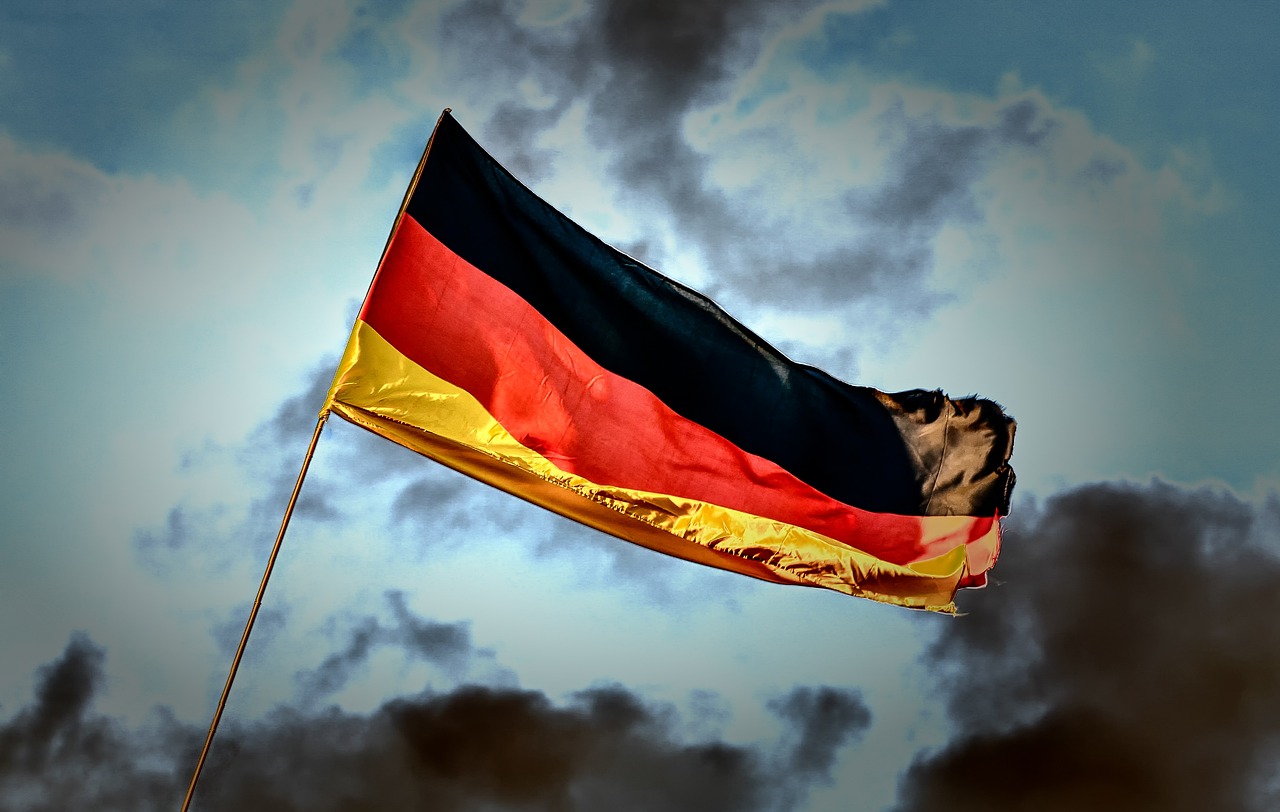
The allure of vintage WW2 banners is undeniable, serving as tangible connections to history for collectors, enthusiasts, and educators. However, sourcing authentic and high-quality pieces can be a challenge. Many concerns arise when considering where to buy WW2 flags, from authenticity to preservation. This article guides you through the process, providing insights into trusted vendors, expert advice on identification, and best practices for purchasing these valuable historical artifacts. By following these recommendations, you'll be well-equipped to acquire genuine WW2 banners with confidence, enriching your collection or educational pursuits.
- Locating Authentic WWII Banner Vendors
- Understanding the Types of Vintage Flags
- Ethical Buying Practices for Historical Banners
Locating Authentic WWII Banner Vendors
Locating authentic World War II banners for purchase requires a thorough understanding of the market and a keen eye for detail. When buying WW2 flags, whether for preservation, display, or a historical event, it's crucial to source them from reputable dealers who specialize in vintage items. The world of vintage flags, including WW2 banners, is vast, and navigating it can be a challenge. However, with the right resources and knowledge, you can find exceptional pieces that tell the story of this significant era.
One of the best ways to buy WW2 flags is by connecting with established flag dealers who have a proven track record in authenticating and conserving historical artifacts. For instance, companies like Ultimate Flags have built their reputation on providing high-quality vintage flags, including WWII banners. These dealers employ advanced conservation techniques to preserve the original fabric and design elements, ensuring that the flags remain in excellent condition over time. They often have access to a diverse range of items, from rare battle standards to regimental flags, catering to various collector needs.
Attending vintage flag shows and events is another strategic approach to locating these unique pieces. These gatherings bring together collectors, dealers, and enthusiasts, offering an excellent opportunity to inspect and acquire authentic WW2 banners. Shows often showcase a wealth of historical items, allowing buyers to immerse themselves in the history and culture of these flags. Additionally, talking to fellow collectors and dealers can provide valuable insights into the market, current trends, and where to find the best pieces. Remember, preserving historical WW2 banners is not just about acquiring a piece of the past; it's about honoring those who served and ensuring their stories are told for generations to come.
Understanding the Types of Vintage Flags
When buying vintage World War II banners, understanding the types of flags available is crucial. Original WWII flags are highly prized for their historical significance and connection to the past. These authentic pieces can provide a tangible link to the sacrifices and victories of the era, making them valuable to collectors, museums, and historical societies. To identify a real WWII flag, look for unique features such as original stitching, age-appropriate fabric condition, and accurate historical markings. Reproductions, while useful for display or educational purposes, lack the same sentimental value and can be easily distinguished by their newer construction and sometimes inferior materials.
Flag conservation techniques play a vital role in preserving these vintage treasures. Over time, fabric can weaken, and colors may fade, so proper care is essential. Professional flag providers, like Ultimate Flags, often offer conservation services to restore and preserve these flags, ensuring their longevity. This process involves meticulous cleaning, mending, and, in some cases, re-dying to return the flag to its former glory. When buying, consider the flag's condition and the conservation methods employed, as these factors significantly impact the flag's value and authenticity.
Reproduction flags, while not possessing the same monetary value as originals, serve a different purpose. They are ideal for decorative displays, events, or educational settings where the focus is on representation rather than historical accuracy. When purchasing, be clear about your intent – whether to acquire a genuine, historically significant piece or a reproduction for a specific purpose. This clarity will guide your search and ensure you buy ww2 flags that align with your needs and budget, whether you're a collector, historian, or event organizer.
Ethical Buying Practices for Historical Banners
When purchasing vintage World War II banners, ethical buying practices are paramount to preserving history responsibly. As the market for these historical artifacts grows, so does the need for informed collectors and buyers to ensure their provenance and authenticity. One of the primary considerations is the source from which these flags are acquired. Reputable dealers and individuals who buy WWII flags should prioritize responsible collecting, ensuring that each piece has a documented history and was obtained ethically. This practice not only maintains the integrity of the historical record but also safeguards against contributing to the exploitation or loss of cultural heritage.
The World War II flag collectors market is a complex landscape where rare and valuable pieces can be discovered, but buyers must exercise caution. It's crucial to research and engage with established dealers known for their ethical practices. Many leading flag companies, such as Ultimate Flags, have built reputations on offering only authentic, well-documented vintage flags. These companies often work closely with historical societies and experts to verify the history of each item, providing collectors with peace of mind. Additionally, buyers should inquire about the source of flags, especially when purchasing from private sellers or international markets, to mitigate risks associated with potential counterfeits or illegally obtained artifacts.
Donating vintage WWII flags to museums, historical societies, or educational institutions is another ethical consideration for collectors. This act not only preserves history but also ensures that these important symbols are accessible to future generations. Many organizations have established programs to accept donations of authentic vintage banners, providing an opportunity for collectors to contribute directly to historical preservation. Furthermore, when decorating with vintage WWII banners, whether in a museum setting or a personal collection, it's essential to handle and display them with respect, allowing these pieces to speak for the sacrifices made by those who served.
By carefully navigating the world of vintage WW2 banner acquisition, enthusiasts and history lovers can secure authentic pieces that not only adorn spaces but also serve as powerful connections to the past. The article has illuminated several key aspects, guiding readers on their journey to buy ww2 flags naturally. Firstly, it stressed the importance of locating reputable vendors who specialize in authentic artifacts, ensuring the banners are genuinely old and historically significant. Understanding the diverse types of vintage flags, from battle-worn to promotional, allows buyers to make informed choices. Additionally, adopting ethical buying practices guarantees that these historical treasures are acquired responsibly, preserving their integrity for future generations. Through these insights, readers now possess a toolkit to become discerning collectors, contributing to the preservation and appreciation of WW2 memorabilia in a meaningful and respectful manner.
Summary:
Locating authentic World War II banners involves understanding the market, sourcing from reputable dealers like Ultimate Flags who specialize in vintage items and employ conservation techniques to preserve their integrity. Attending vintage flag shows offers insights and opportunities to acquire rare pieces.
When buying WW2 flags, consider:
- Original vs. reproduction for historical significance and value.
- Flag conservation methods for authenticity and longevity.
- Ethical buying practices to preserve history responsibly.
Donating vintage banners to museums or historical societies contributes to historical preservation. Handle and display these artifacts with respect, allowing them to honor the past.