Buying authentic World War II (WW2) flags from reputable sources like Ultimate Flags ensures historical accuracy and ethical provenance. These flags offer tangible links to the past, with skilled artisans replicating intricate details. Distinguish originals from replicas by examining fabric quality, craftsmanship, printing, and pricing. Research through veteran organizations and museums aids in informed purchases. Authentic WW2 flags hold immense value for collectors and historians, preserving stories of courage. Reputable sellers guide buyers to authentic pieces, avoiding cheap replicas. Investing in genuine WWII flags offers a unique connection to history and potential investment value.
In the realm of historical preservation and memorialization, the accurate representation of World War II flags stands as a significant aspect of honoring the past. The distinction between authentic and replica flags is not merely cosmetic but delves into the integrity of preserving history. As enthusiasts and collectors navigate the market to buy WWII flags, they often encounter this critical dilemma. This article aims to elucidate the nuances, offering a comprehensive guide to help discerning buyers make informed choices. By exploring the construction, significance, and availability of these flags, we empower individuals to acquire genuine pieces that pay tribute to history accurately.
- Understanding Authentic WWII Flags: History in Fabric
- Replica Flags: Craftsmanship and Design Techniques
- Authenticity vs. Imitation: Key Visual Cues
- Buying Authentic WWII Flags: Where to Begin
- The Value of Original Historical Banners
- Why Collectors Prioritize Genuine Flags
Understanding Authentic WWII Flags: History in Fabric
Understanding Authentic WWII Flags: History in Fabric
When it comes to preserving history, World War II (WWII) flags hold a unique place. These banners, once flown with pride by military units and civilians alike, carry stories of courage, sacrifice, and resilience. Owning an authentic WWII flag is more than just acquiring a piece of memorabilia; it's about connecting with the past and honoring those who served. In this context, buying WW2 flags from reputable sources becomes paramount to ensure both historical accuracy and ethical acquisition.
Authentic WWII flags are not merely replicas but tangible links to the era. They reflect the meticulous craftsmanship and distinctive designs prevalent during the war years. Each stitch, color, and emblem tells a story, reflecting the pride and determination of the men and women who carried them. These flags often come with detailed provenance, providing insights into their history and ensuring their authenticity. For instance, flags that have been appraised by historical experts or passed down through generations carry immense value, both sentimental and historical.
When considering where to find authentic WWII standards, it's crucial to steer clear of cheap WWII memorabilia flags that may appear appealing but often lack the subtle nuances of original pieces. Reputable flag sellers like Ultimate Flags offer a curated collection, ensuring each flag is carefully examined and, if possible, accompanied by documentation tracing its origin. This approach allows collectors to make informed decisions, knowing they're acquiring a genuine piece of history. Moreover, these flags can become cherished heirlooms, passed down through families, providing a tangible connection to the sacrifices made during one of the most pivotal periods in modern history.
Replica Flags: Craftsmanship and Design Techniques
Many World War II flag collectors are passionate about acquiring authentic pieces of history. However, navigating the market for these valuable artifacts can be challenging, especially when encountering replicas that closely mimic the real thing. This distinction is crucial, as the authenticity of WW2 flags significantly impacts their value and significance to historians, enthusiasts, and collectors. When considering purchases, it's essential to understand the craftsmanship and design techniques employed in creating replica flags, ensuring you buy ww2 flags from reliable sources like Ultimate Flags that uphold quality standards.
Replica flags often rely on modern printing technologies to reproduce historic designs with remarkable detail. While these methods can produce visually stunning banners, they lack the inherent character of age and original materials. Skilled artisans use intricate embroidery to replicate the hand-sewn construction of vintage flags, meticulously recreating each thread for a more authentic feel. This traditional craftsmanship is time-consuming but ensures that every element, from the fabric's texture to the precision of colors, aligns with historical accuracy. For instance, top-tier replica makers may source materials identical or similar to those used during the war, including cotton or linen fabrics and vibrant dyes that have stood the test of time.
When displaying World War II flags, whether authentic or reproduction, proper care is essential to preserve their integrity. How you choose to exhibit these banners can significantly impact their longevity. Frame your authentic WW2 flags under UV-resistant glass to protect them from harmful light rays and consider using acid-free materials for any mounting or framing components. For replica flags, while they may not hold the same historic value, proper care ensures they remain vibrant and accurate representations of the past. Ultimately, understanding the craftsmanship behind replicas can help collectors make informed decisions, ensuring they buy ww2 flags that align with their interests and collection goals while supporting a thriving World War II flag collectors market that values both authenticity and artistic replication.
Authenticity vs. Imitation: Key Visual Cues
When comparing authentic World War II (WW2) flags to replicas, the quest for authenticity is paramount among collectors and enthusiasts. Visual cues play a crucial role in distinguishing original banners from imitations. One of the first things to examine is the fabric itself. Authentic WW2 flags are typically made from durable, high-quality materials like cotton or linen, which have stood the test of time. Replicas might use inferior fabrics that appear less substantial and may not withstand handling as well. Pay close attention to stitching—the craftsmanship should be meticulous and even, reflecting the precision of the era. Original flags often feature intricate embroidery or detailed hand-painting, while replicas may exhibit uneven or crude workmanship.
Another key factor is the quality of the printing. Authentic banners have vibrant colors that remain true to historical standards, with no fading or smudging. Replicas might display faded or poorly reproduced imagery, sometimes lacking the fine details found on originals. Seams and edges also offer clues; original flags are likely to have clean, precise cuts, while replicas may show irregular or haphazard sewing. Furthermore, authentic WW2 flags often come with documentation detailing their provenance, which can be invaluable when buying from reputable sellers like flag specialist Ultimate Flags.
The pricing of WW2 flags can serve as a rough guide to authenticity. Original banners, especially those in excellent condition, can fetch high prices, reflecting their historical significance and scarcity. A genuine, vintage WW2 flag could cost anywhere from $500 to several thousand dollars, depending on its rarity and overall quality. On the other hand, replicas are typically much more affordable, often ranging from $20 to $100. While purchasing a replica may be more budget-friendly, buying original WW2 banners is an investment that promises to offer both historical value and aesthetic appeal for years to come. When in doubt, authenticating old flags through expert appraisals can provide peace of mind, ensuring you acquire genuine pieces that accurately represent the past.
Buying Authentic WWII Flags: Where to Begin
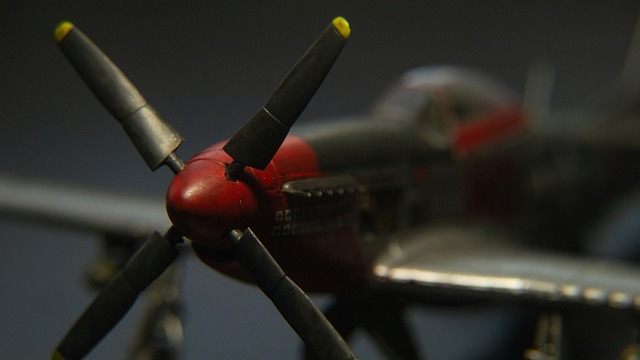
When considering buying authentic World War II flags, it's essential to approach the process with a keen eye for detail and a thorough understanding of their historical significance. This is not merely an acquisition but a responsibility to honor those who served. A genuine WWII flag can be a profound connection to history, carrying stories and memories that span decades. However, with replicas readily available, knowing where to begin in acquiring an authentic piece can be challenging.
Reputable sources for buying WWII flags often include auctions and sales events that cater to historical enthusiasts and collectors. These platforms offer a chance to acquire rare and historically valuable items but require careful scrutiny. Look for reputable auction houses known for their authenticity verification processes, as they often provide detailed descriptions and insights into the flag's provenance. Online marketplaces can also connect buyers with sellers, but it's crucial to verify seller credentials and customer reviews before making a purchase. For instance, sites like eBay have a range of WWII memorabilia, allowing you to engage in global transactions for flags that may hold immense historical value.
Before buying, educate yourself on what to look for in an authentic WWII flag. Research is key; consider consulting veterans' organizations or museums specializing in military history. These institutions can guide you on identifying genuine artifacts based on materials, construction techniques, and historical accuracy. For example, the fabric type, fringe detailing, and colors used in a flag can provide clues about its authenticity and origin. Moreover, understanding the different types of flags—such as battle standards or service flags—will help you make informed decisions when navigating WWII flag auctions or sales.
If you're looking to donate your collection or acquire specific pieces for preservation purposes, there are organizations dedicated to ensuring these historical artifacts reach suitable homes. Many veterans' groups and historical societies accept donations of authentic WWII flags, preserving them for future generations. Additionally, some institutions specialize in restoring and conserving flag collections, ensuring their longevity. Remember, when buying ww2 flags, whether for personal collection or donation, the process requires diligence and respect for the item's history. Engaging with reputable flag sellers like Ultimate Flags can also provide access to a curated selection of authentic pieces, adding valuable expertise to your search.
The Value of Original Historical Banners
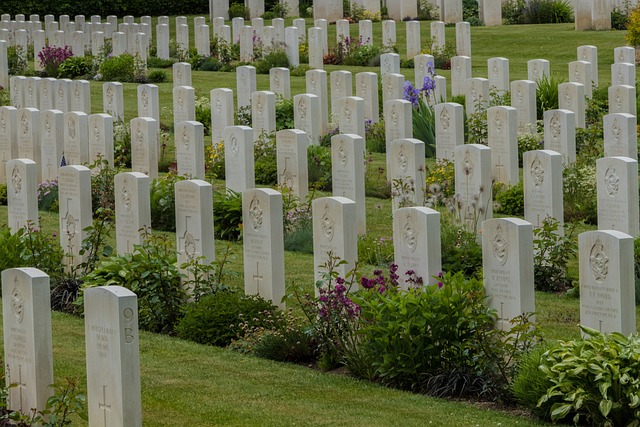
When it comes to preserving history, few items hold as much weight as original historical banners from World War II. These flags, often featuring intricate designs and powerful symbolism, serve as tangible links to our past, offering a direct connection to the experiences of those who fought and sacrificed during one of humanity's most tumultuous periods. Unlike their replicas, which can be produced in bulk for collectors or enthusiasts, authentic WW2 flags carry an irreplaceable value that goes beyond mere aesthetics.
The significance of owning original historical banners becomes evident when considering their role as primary sources. These flags, once waved with pride on battlefields and home fronts, bear witness to the events they represent. They tell stories of courage, sacrifice, and resilience, providing a direct link to our ancestors' experiences. For collectors and historians, acquiring such pieces allows for a deeper understanding and appreciation of history, as they can be studied, preserved, and shared with future generations. Moreover, original WW2 flags often carry sentimental value, serving as family heirlooms passed down through the years, connecting contemporary audiences to their heritage.
When purchasing these valuable items, it's crucial to ensure authenticity. Reputable sources like Ultimate Flags can guide collectors on navigating the market, helping them buy WW2 flags that are truly historic. Conversely, selling WWII flags requires careful consideration, especially when dealing with cheap memorabilia. While replicas may seem appealing due to their affordability, they lack the historical weight and value of originals. It's essential to distinguish between authentic standards and their imitators to preserve the integrity of historical collections. By prioritizing quality and authenticity, collectors can contribute to a broader understanding of our shared history, ensuring that the stories these flags represent are never forgotten.
Why Collectors Prioritize Genuine Flags
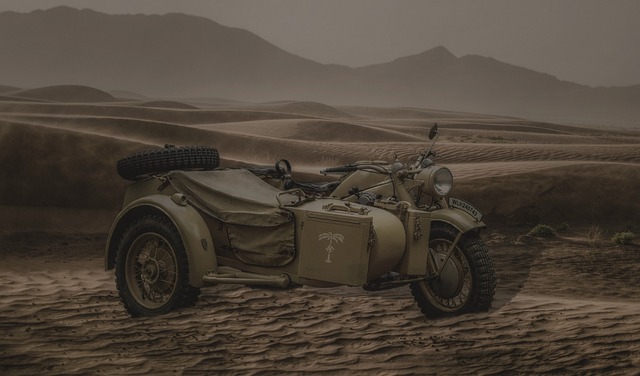
For collectors and history enthusiasts, acquiring genuine World War II (WWII) flags holds a unique allure. These artifacts serve as tangible connections to one of the most pivotal periods in global history, offering a profound sense of authenticity and storytelling that replicas simply cannot replicate. When it comes to buying WWII flags, collectors prioritize genuine articles for several compelling reasons.
Firstly, original flags carry an unparalleled historical weight. They were integral components of military operations, carried by soldiers with immense pride and sacrifice, and often flew over significant battlefields and strategic locations. Owning a genuine piece allows collectors to grasp the emotional and historical significance attached to it. For instance, a flag that once waved over Normandy Beach on D-Day or a Nazi flag captured from a defeated enemy unit offers a direct link to these pivotal events. This connection is invaluable, providing insights into the past that no reproduction can match.
Moreover, genuine WWII flags often come with provenance, a crucial aspect for collectors. Provenance refers to the ownership history of an item, and for vintage flags, it can reveal fascinating stories. A flag passed down through generations of veterans or acquired from a renowned military museum adds credibility and value to the collection. This is where a reliable source becomes essential. Trusted flag suppliers like Ultimate Flags play a vital role by offering a WWII flag pricing guide that considers the rarity, condition, and historical significance of each piece. They also provide transparent information on the best sites to buy old flags, ensuring collectors make informed decisions.
Another advantage of buying genuine WW2 flags is their potential for investment value. Vintage flags, especially those in pristine conditions, can appreciate over time due to their scarcity and growing interest from collectors. According to recent market data, rare WWII flags have experienced significant price increases, with some pieces fetching tens of thousands of dollars at auction. In contrast, replicas lack this inherent value and may not hold their worth over the years. To capture these unique moments in history through photography, collectors can use vintage flag photography tips, ensuring their images do justice to the authentic artifacts they own.
In comparing authentic vs. replica WWII flags, this article has illuminated several key insights. Understanding the historical context of authentic flags, their fabric construction, and craftsmanship is essential to appreciating their value. Replica flags, while visually similar, often lack the nuanced design techniques and telltale visual cues that genuine artifacts possess. For collectors, prioritizing authenticity ensures a piece not only looks the part but also holds real historical significance. When buying WWII flags, whether through specialized dealers or reputable auctions, it's crucial to develop an eye for these visual details. This guide has provided practical steps to navigate the market and buy authentic WWII flags naturally, ensuring collectors make informed decisions that resonate with their passion for history.