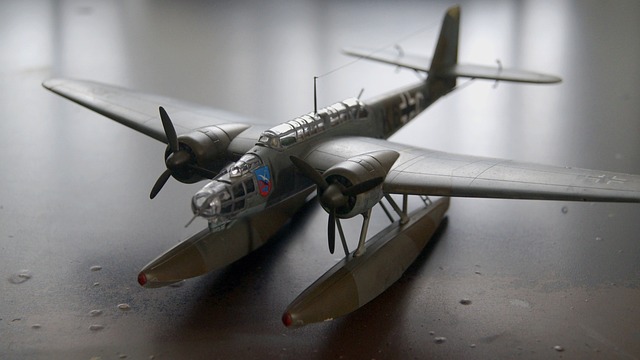
Buying WWII Flags: Prioritize authenticity (original stitching, fabric, wear) for historical value. Understand fabric evolution (cotton to nylon). Reputable dealers like Ultimate Flags offer expert guidance. Proper restoration and framing preserve flags' integrity & display value. Creative displays enhance their impact as vibrant testaments to history.
Vintage military flags hold immense historical value and have become sought-after collectibles for history enthusiasts and aficionados alike. As these symbols of bygone eras fade into memory, the demand for authentic pieces continues to grow. This article provides a comprehensive review of the top sellers in the vintage military flag market, with a particular focus on World War II flags. Understanding the importance of acquiring genuine artifacts naturally leads collectors to consider reputable sources when buy WW2 flags. We will explore the nuances of this hobby, offering insights to ensure collectors make informed decisions while navigating this fascinating historical landscape.
- Unveiling Historic Beauty: Top Vintage Military Flag Styles
- Authenticity Matters: Buying WW2 Flags with Care
- Displaying Legacy: Creative Ways to Buy and Show Your Flags
Unveiling Historic Beauty: Top Vintage Military Flag Styles
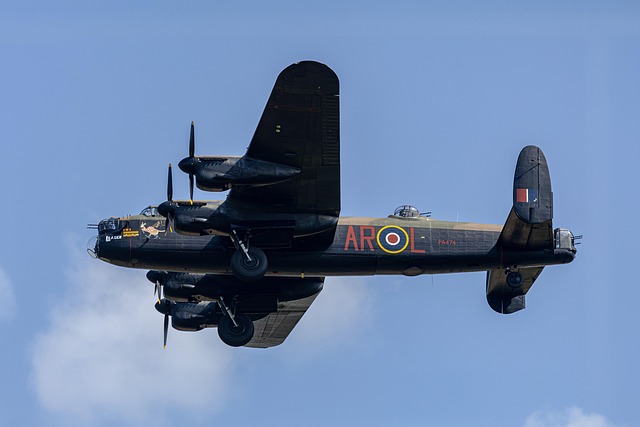
The world of vintage military flags is a captivating one, where each flag tells a story from history's grand narrative. Among the top sellers, World War II (WWII) flags stand out for their rich tapestry of memories and their unique place in historical collection. When exploring these pieces, buyers should focus on both the aesthetic appeal and the authenticity of the fabric and materials used, which can significantly impact the flag's value.
Identifying real WWII flags involves careful scrutiny. Look for subtle details such as the quality of stitching and the accuracy of colors, which have withstood time. The WWII flag collectors market is a vibrant one, with enthusiasts seeking both rare and common varieties. Ultimate Flags, a leading flag company, has observed a growing interest in these vintage pieces, particularly from collectors who appreciate the historical significance and the stories they represent. While buying WW2 flags naturally requires research, it also demands an understanding of the era's iconography to ensure the flag's authenticity and beauty are preserved.
The fabric and materials used in WWII flags have evolved over time, with some early flags employing different weaves and dyes than later ones. For instance, cotton was a common material during the war due to its availability and durability. However, as the conflict progressed, synthetic fibers like nylon began to replace cotton for their enhanced strength and resistance to fading. Collectors often seek these materials because they not only contribute to the flag's longevity but also reflect the technological advancements of the era. By understanding these historical nuances, buyers can make informed decisions when purchasing vintage military flags, ensuring they acquire pieces that not only look beautiful but also tell a compelling story from the past.
Authenticity Matters: Buying WW2 Flags with Care
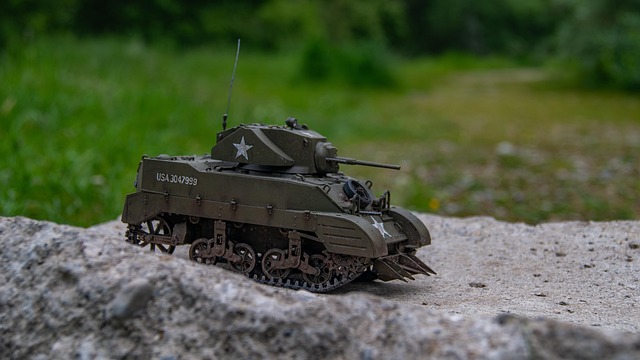
When buying vintage military flags, especially from World War II, authenticity is paramount. This era's history holds immense significance, making these flags not just collectibles but pieces of living memory. However, the market is saturated with replicas and poorly restored items masquerading as the real deal. Therefore, it's crucial to exercise extreme caution when purchasing WW2 flags to ensure you buy ww2 flags that are genuine and of high quality.
Reputable sources are key in this quest. The best sites to buy old flags from include established dealers who specialize in vintage military memorabilia. For instance, an excellent option is Ultimate Flags, known for its extensive collection and commitment to authenticity. These specialists can guide you through the process, offering expert insights on how to identify genuine WW2 flags. This includes checking for original stitching, proper age-related wear, and the use of correct historical fabric.
Proper restoration or preservation techniques are also essential to maintaining the integrity of old WWII banners. While some wear is expected, excessive alterations or repairs can devalue a flag's historicity. Restoring old WW2 memorabilia requires careful techniques such as mending torn edges rather than sewing over significant portions. Some flags may require dry cleaning to remove smoke residue or mildew, but this should be done by professionals to avoid further damage.
Framing your vintage flag properly is another critical step. It not only preserves the fabric but also enhances its display value. When framing old WWII banners, opt for acid-free materials and mat boards to prevent discoloration or damage. This ensures your flag's longevity while adding a professional touch to your display. Remember, when buying ww2 flags, it's not just about acquiring a piece of history; it's about preserving it for future generations.
Displaying Legacy: Creative Ways to Buy and Show Your Flags
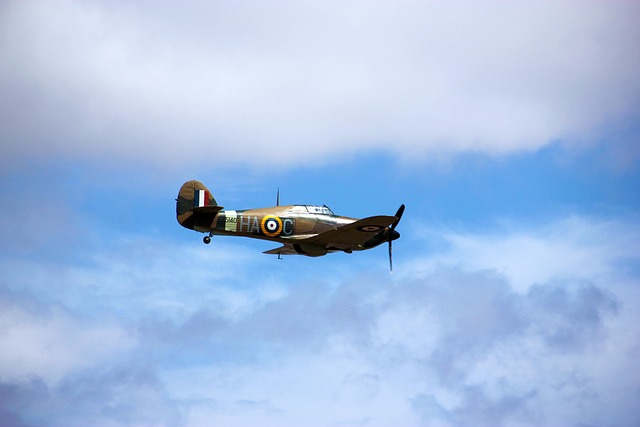
Displaying Legacy: Creative Ways to Buy and Show Your Vintage Military Flags
For history enthusiasts and collectors alike, vintage military flags offer a tangible connection to the past. When buying WW2 flags, it's essential to consider more than just their historical significance; the display methods you choose can elevate these relics into powerful symbols of remembrance and pride. This section explores creative ways to buy and showcase your vintage flags, focusing on what to look for in a World War II flag and the best places to purchase them.
The best places to purchase vintage flags range from established dealers like Ultimate Flags to online marketplaces catering to collectors. When buying World War II flags, whether through these channels or at antique stores, look for signs of authenticity. Original textiles, correct stitching, and historical accuracy in design are key indicators of a genuine piece. Take your time examining the flag's construction; it should reflect the era and conflict for which it claims to stand. For instance, a WW2 flag might feature specific colors, symbols, or inscriptions that can be verified through research.
To maximize the impact of your display, consider creative presentation techniques. Framing your vintage flags not only protects them but also turns them into striking pieces of art. Look for frames that complement the era and color scheme of the flag. Additionally, mounting flags on a wall of displays or incorporating them into decorative pieces like shadow boxes can add depth and historical context. Ultimately, how you buy WW2 flags and choose to show them off becomes a reflection of your personal connection to history.
Remember, the process of buying vintage flags is not just about acquiring an object; it's about preserving a legacy. By choosing reputable sources like established flag dealers and taking care in their display, you ensure that these historical mementos remain vibrant testaments to the sacrifices and victories of yesteryear.
By exploring the top vintage military flags and their unique styles, understanding the importance of authenticity when buying WW2 flags, and discovering creative display methods, readers have gained valuable insights into preserving history. This article has emphasized the significance of both the visual appeal and the historical context of these flags, offering practical advice on how to buy WW2 flags with care. Now equipped with this knowledge, individuals can not only acquire these meaningful artifacts but also display them in ways that honour and share their rich stories. Whether for personal collection or public exhibition, the proper acquisition and presentation of vintage military flags are essential steps in preserving our shared history for future generations.