
Buying World War II battle banners requires a commitment to authenticity, historical context, and preservation. Focus on provenance, materials, age indicators, and unique features. Reputable sellers offer certificates of authenticity and detailed histories. Store flags properly, clean gently, and frame using archival materials for longevity. Research carefully, prioritize legitimacy, and respect the past with informed purchases.
World War II banners carry immense historical weight, serving as tangible links to our past. They're more than just decorations; they tell stories of courage, sacrifice, and resilience. However, navigating the market for authentic WW2 flags can be challenging, with numerous vendors offering questionable items. To ensure you buy original WW2 battle banners, this article provides expert tips. We'll guide you through evaluating authenticity, understanding rarity, researching historical context, and where to buy ww2 flags naturally from reputable sources, ensuring you acquire a genuine piece of history.
- Understanding the Historical Significance of WW2 Banners
- Authentic vs. Reproductions: How to Spot Original Flags
- Tracking Down Trusted Sellers: A Guide for Buyers
- Inspection and Verification: Ensuring Authenticity Before Buying
- Pricing and Valuation: Factors Influencing Cost of Original Banners
- Caring for Your Acquisition: Preservation Tips for WW2 Flags
Understanding the Historical Significance of WW2 Banners
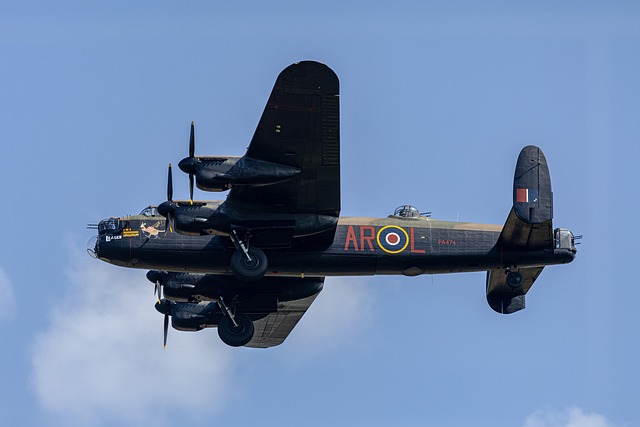
The purchase of World War II battle banners is a significant endeavor that requires an understanding of their historical value beyond mere decorative objects. These flags represent a tangible connection to one of humanity's darkest periods and carry with them a rich narrative that deserves respect and appreciation. When considering where to buy WW2 flags, it's crucial to recognize the importance of authenticity, condition, and provenance.
World War II banners are not just relics; they are symbols of courage, sacrifice, and the indomitable human spirit. Each flag tells a story—of battles fought, lives lost, and victories won. The best sites to buy old flags that carry historical significance, such as those from the WWII era, prioritize these narratives over mere aesthetic appeal. When choosing where to sell WWII flags, it's equally important to consider their cultural and historical value, ensuring that they find homes within collections or museums that can preserve and share their stories appropriately.
To truly appreciate and display WW2 flags effectively, you must first understand the context in which they were used. For instance, the U.S. National Colors, often seen in military parades, represent the highest honor and are distinct from battle flags like the iconic "Old Glory." Proper display methods enhance their significance; for example, hanging them at half-staff on memorial days or during ceremonies honoring veterans. Established flag dealer Ultimate Flags offers valuable resources for both buyers and sellers, ensuring that these historical artifacts are treated with the respect they deserve.
When navigating the process of buy ww2 flags, whether for personal collection or institutional display, keep in mind that each piece is a window into the past. Proper research and due diligence ensure that these flags not only enhance your space but also serve as a powerful educational tool, fostering an appreciation for history and the sacrifices made by those who came before us.
Authentic vs. Reproductions: How to Spot Original Flags
When buying World War II battle banners, distinguishing authentic flags from reproductions is paramount to ensure you acquire a genuine piece of history. The market abounds with replicas, making it essential for collectors and enthusiasts to develop an eye for original artifacts. One effective strategy involves examining the flag's construction and materials; originals often display superior craftsmanship with unique characteristics. For instance, vintage flag appraisals may reveal subtle imperfections or variations in stitching that distinguish them from newer reproductions.
Another critical aspect is age-related wear and tear. Original WW2 flags, having endured battles and campaigns, may exhibit fading, stains, or tears consistent with their history. Reproductions, while meticulously crafted, typically lack these telltale signs of age. Engaging old flag restoration services can also aid in authentication by restoring vintage banners to their former glory, highlighting distinctive features that mark them as originals.
Furthermore, the availability of documentation and provenance adds credibility to a WW2 flag's authenticity. Buying from reputable sellers who provide detailed histories or certificates of authenticity ensures you're acquiring a genuine piece. For instance, Ultimate Flags, a flag specialist, offers comprehensive services, including vintage appraisals and restoration, to help buyers make informed decisions. Additionally, considering the artistic value of these flags, high-quality WW2 flag art prints can serve as references for comparing details with potential original banners you're considering purchasing.
Tracking Down Trusted Sellers: A Guide for Buyers
When looking to buy WW2 flags, tracking down trusted sellers is a crucial step in ensuring you acquire authentic pieces. The market for historical banners can be overwhelming, with various options available, from online retailers to antique stores and auctions. However, distinguishing between genuine World War II standards and replicas requires meticulous attention to detail. This guide aims to equip buyers with the knowledge to navigate this landscape effectively and select original WW2 battle banners.
To start your search, it's essential to research and establish a reputation for reliable sellers. One recommended approach is to consult specialized online flag stores, such as Ultimate Flags. These platforms often have extensive collections curated by experts, ensuring a higher likelihood of authenticity. Additionally, checking seller reviews and ratings can provide valuable insights into their trustworthiness. Look for consistent positive feedback regarding the quality and validity of their inventory.
When examining potential WW2 flags, consider several key factors. First, study the construction; original standards should be made from sturdy fabrics like cotton or linen, with careful stitching and reinforcement. Second, pay close attention to details like insignias, embroidery, and fringing, ensuring they align with historical specifications. Reputable sellers will often provide detailed descriptions and, in some cases, authenticity certificates. Lastly, compare prices reasonably; while rare pieces may command higher costs, significant price discrepancies without justification could be a red flag.
Remember that buying original WW2 flags is an investment in history. By following these guidelines and prioritizing trustworthiness, buyers can secure authentic standards that not only serve as decorative pieces but also as tangible connections to the past.
Inspection and Verification: Ensuring Authenticity Before Buying
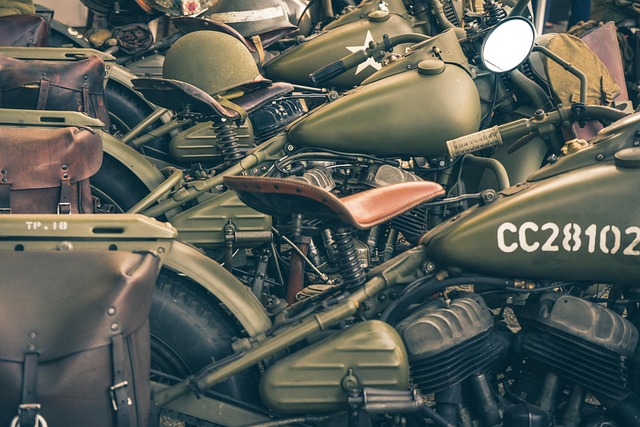
When buying World War II battle banners, ensuring authenticity is paramount to acquire genuine historical artifacts. Before purchasing, thorough inspection and verification are essential steps for buyers. This process involves a meticulous examination of the flag's physical attributes, construction, and any accompanying documentation. Start by assessing the material; vintage flags should ideally be made from durable fabrics like cotton or linen, which were commonly used during the era. Check for age-related deterioration, such as faded colors, frayed edges, or missing patches, which can indicate authenticity. Look for unique characteristics specific to the unit or battle, including official emblems, insignias, and intricate stitching, as these details can significantly enhance a flag's value and historical accuracy.
Additionally, buyers should scrutinize any labels or tags attached to the flag. Authentic WW2 flags may include original markings or tags from military issues. These can provide valuable insights into the flag's origin and history. Many leading flag companies, like Ultimate Flags, offer expert advice on identifying genuine vintage flags, ensuring buyers receive accurate information. Restoring old WW2 memorabilia requires skill; professionals recommend preserving original artifacts to maintain their historical integrity.
If buying from private sellers or online marketplaces, request detailed photographs and descriptions. High-resolution images can reveal subtle details that might escape casual inspection. Verifying the seller's reputation is crucial; check for customer reviews and feedback to ensure a trustworthy transaction. Authenticating old World War II flags involves a blend of knowledge, experience, and meticulous attention to detail. By following these guidelines, buyers can make informed decisions when purchasing historical banners, ensuring they acquire genuine pieces that pay tribute to the sacrifices made during those tumultuous times.
Pricing and Valuation: Factors Influencing Cost of Original Banners
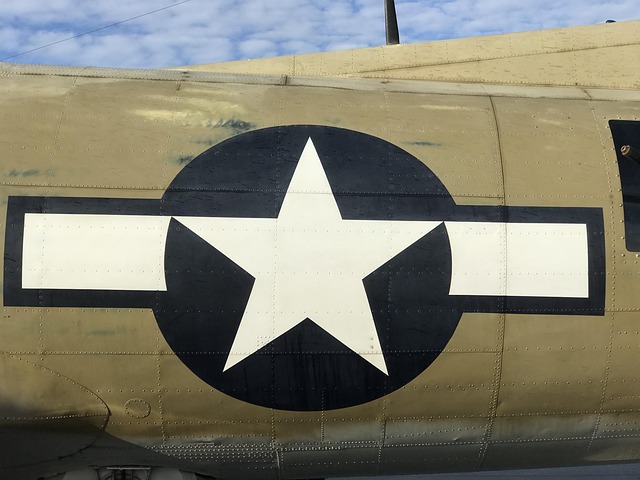
When considering buying original WW2 battle banners, understanding pricing and valuation is paramount. The cost of these authentic artifacts can vary greatly based on several factors. Firstly, rarity plays a significant role; flags from pivotal battles or units with notable histories are often more valuable. For instance, a WWII US flag used at the Battle of Normandy could fetch significantly higher prices than one from a less prominent campaign due to its unique historical significance.
Condition is another critical aspect. Banners that have seen minimal use and retain their original stitching and colors command premium prices. This is where a keen eye for detail becomes essential when buy ww2 flags. Expert appraisers consider factors like fading, tears, or any repairs, which can dramatically impact the final cost. As a point of reference, a well-preserved WW2 standard in excellent condition might sell for several thousand dollars, while one requiring extensive restoration is likely to be significantly less valuable.
Auctions and specialized sales are popular avenues to acquire these items. WWII flag auctions, both online and offline, offer a chance to secure rare pieces at competitive prices. Platforms like specialized military antiques dealers or even some leading flag companies like Ultimate Flags can facilitate the process of where to find authentic WW2 standards. Additionally, charity shops or historical societies sometimes receive donations of WW2 flags, providing an opportunity for collectors to acquire them and subsequently where to donate WWII flags to preserve history.
Caring for Your Acquisition: Preservation Tips for WW2 Flags
When you've successfully bought WW2 flags from a reputable source like Ultimate Flags, ensuring their longevity is paramount to preserving history. Authentic WW2 standards are delicate artifacts that require special care. Proper preservation techniques are essential for maintaining their historical integrity and visual appeal. Start by storing your flags in a cool, dry place—extremes of temperature and humidity can cause fabric damage over time. Avoid direct sunlight as it fades colors, and consider using acid-free boxes or frames to protect them from dust and physical damage.
Regular cleaning is crucial, especially for vintage flags that have seen many decades. Use mild detergent and warm water, avoiding harsh chemicals that could damage the fabric fibers. Gentle hand washing or spot cleaning with a soft cloth is recommended. For more robust flags, a vacuum with a soft brush attachment can remove dust effectively without causing wear. Restoring old WW2 memorabilia requires skill; if your flag shows significant signs of damage, consult a professional conservator who specializes in historical textiles.
Some buyers opt to frame their flags for enhanced display and protection. However, it's essential to choose archival-quality frames and matting materials to prevent acid migration that can yellow or damage the flag over time. Additionally, consider the mounting method—sturdy grommets or hemming ensure your flag remains intact under various display conditions. By following these care guidelines, you contribute to preserving a piece of history for future generations while enjoying the pride and significance of your WW2 battle banners.
By delving into the world of WW2 battle banners, buyers can acquire pieces of history that carry immense significance. This article has equipped readers with a comprehensive guide to navigate the market for original flags. Key takeaways include understanding the historical context, learning to differentiate authentic from reproduced items, and tracking down trusted sellers. Proper inspection and verification are paramount to ensure authenticity before purchasing. Additionally, buyers should be aware of pricing factors influencing costs and implement care strategies for their acquisitions' long-term preservation. When buying WW2 flags, these insights serve as a roadmap to make informed decisions, ensuring the acquisition of genuine historical artifacts.