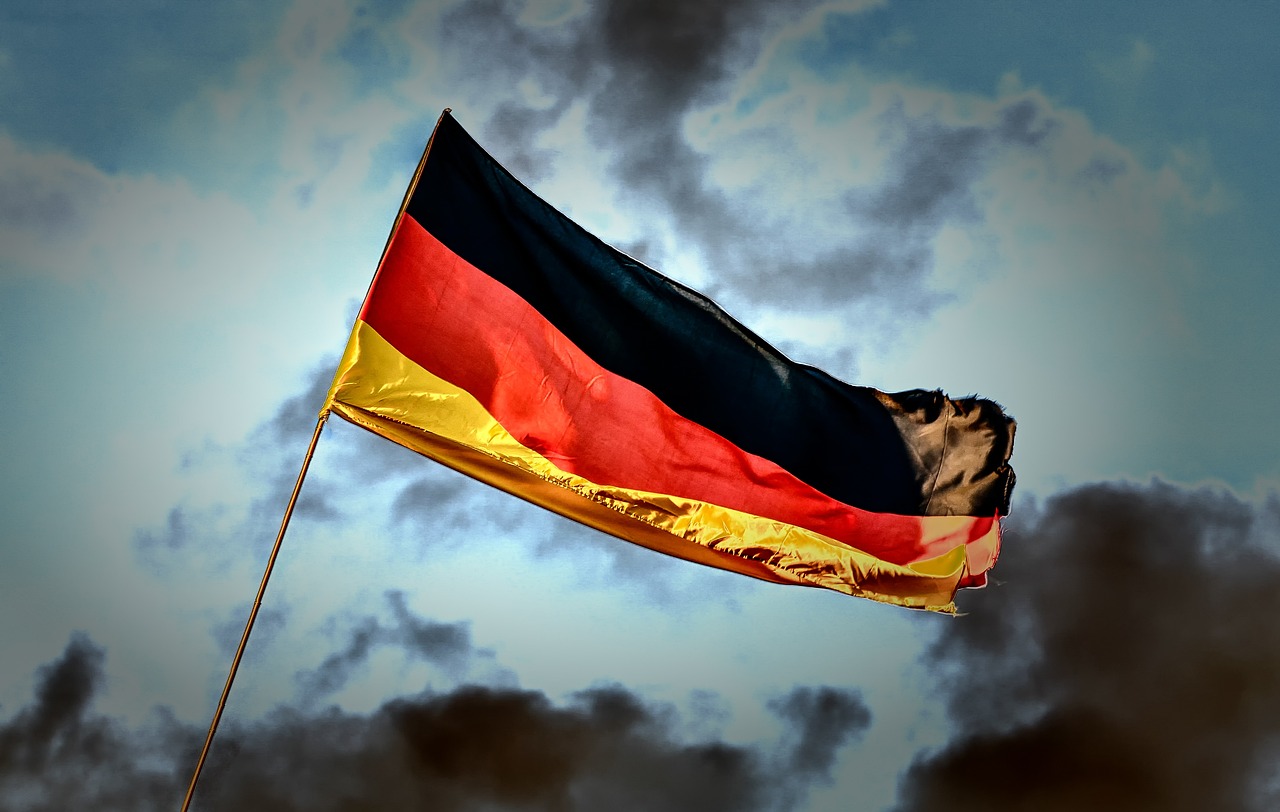
World War II banners carry an indelible history, serving as tangible connections to a pivotal era. When considering the purchase of these original artifacts, authenticity becomes paramount. The market, however, is saturated with replicas and forgeries, posing challenges for discerning collectors. This article provides essential tips to navigate this landscape, guiding enthusiasts on how to buy WW2 flags with confidence. We delve into provenance research, expert authentication, and ethical sourcing practices, ensuring that acquiring these banners not only enriches your collection but also supports the preservation of historical truth.
- Identifying Authentic WW2 Battle Banners: Expert Tips for Buyers
- Where to Buy WW2 Flags: Reputable Sources & Considerations
- Evaluating Quality & Significance: Investing in Original WW2 Banners
Identifying Authentic WW2 Battle Banners: Expert Tips for Buyers
Identifying authentic World War II battle banners is a meticulous process reserved for connoisseurs and historians. When buying WW2 flags, whether for preservation or display, ensuring their originality is paramount to maintaining historical integrity. This task requires a keen eye for detail and an understanding of the era's fabric. Herein lie several expert tips to guide buyers through this intricate journey:
First, consider the material and construction. Original WWII banners often exhibit unique fabric types, stitching patterns, and age-appropriate wear. Reproductions may lack these subtle nuances. For instance, silk or cotton banners from the period typically display distinct weave structures that can be examined under close scrutiny. Moreover, authentic flags might show signs of previous use, such as faded colors, light stains, or creasing, which can enhance their historical value.
The condition of a banner is another critical aspect. Repairs and restoration attempts can often be identified by modern stitching techniques or inconsistent color matching. A flag specialist like Ultimate Flags recommends examining the edges for signs of mending or re-seaming, as these may indicate a less authentic piece. Original flags, especially those that have seen extensive service, might display fraying or unraveling edges, which are indicative of their battle-worn history.
Additionally, researching and understanding the specific unit or event associated with the banner can be invaluable. How to identify real WWII flags involves delving into historical records to verify details like unit insignia, campaign decorations, or unique design elements. This knowledge allows buyers to cross-reference with available archives and expert assessments, ensuring the flag's authenticity. For instance, a banner featuring the distinct emblem of a renowned military regiment could be an original artifact, while a reproduction might lack these specific design cues.
Where to Buy WW2 Flags: Reputable Sources & Considerations
When buying WW2 flags, sourcing from reputable vendors is paramount to ensure authenticity and quality. One of the best places to start is with specialized flag retailers who have a deep understanding of historical accuracy and craftsmanship. For instance, Ultimate Flags, a renowned flag specialist, offers a curated collection of vintage flags, meticulously researched to capture the true spirit of the era. This approach guarantees that you're not only purchasing an aesthetically pleasing banner but also one that accurately represents the significance of WWII standards.
Beyond established flag specialists, exploring online marketplaces and antique stores can yield remarkable discoveries. Websites like eBay and Etsy host a diverse array of WWII-era flags sold by collectors worldwide. However, buyers must exercise caution and diligence when purchasing from such platforms. It's crucial to research seller reputation, review customer feedback, and examine flag descriptions and images for authenticity. For instance, looking for hallmarks of vintage flags, such as original stitching or faded edges, can provide valuable clues about a flag's age and origin.
Additionally, considering the significance of WWII era standards enhances your buying experience. Each flag carries historical weight, symbolizing courage, sacrifice, and unity. When purchasing from both vintage flag sellers and online marketplaces, buyers should seek out flags that not only look authentic but also convey the values and struggles of the time. This not only ensures a meaningful purchase but also contributes to preserving a visual testament to history's most pivotal moments for future generations.
Evaluating Quality & Significance: Investing in Original WW2 Banners
When buying WW2 battle banners, evaluating their quality and significance is paramount for investors looking to acquire authentic pieces of history. Original flags from this era are not just collectibles; they serve as tangible links to our past, offering insights into military strategies, combat conditions, and the sacrifices made by soldiers. To ensure you buy ww2 flags that hold both historical value and aesthetic appeal, examine the fabric and materials closely. High-quality vintage flags should be crafted from durable, age-resistant fabrics like cotton or linen. The stitching should be secure, with even tension, and the colors vibrant, reflecting the original hues of the flag as it flew in battle.
Beyond physical quality, consider the research and storytelling behind each banner. Original WW2 flags often bear distinctive markings, unit insignias, or even personal messages written on them. These details can add immense historical value and make each piece unique. When assessing a flag's significance, look for provenance—information about its ownership history, usage, and origin. A thorough understanding of a flag's past can provide valuable context and insight into the events it represented.
Displaying World War II flags effectively enhances their beauty and meaning. High-quality vintage flag photography tips recommend using proper lighting to showcase the fabric's texture and colors accurately. For indoor displays, consider framing your flags to protect them from environmental damage while preserving their visual impact. Outdoors, sturdy poles or stands ensure they fly proudly, honoring their historical significance. Remember that how you display your flags can significantly influence their perceived value in the market, so invest time in creating an appropriate setting.
Understanding WWII flag fabric and materials is crucial for identifying authentic pieces. Flag specialist Ultimate Flags notes that original flags from this era often exhibit unique weaves and textures specific to military contracts. For instance, American World War II flags commonly used cotton or linen, while British flags might feature wool or a blend of fibers. Familiarizing yourself with these characteristics helps in distinguishing genuine vintage flags from modern replicas. By combining meticulous evaluation, proper display techniques, and an appreciation for the fabric's history, you can ensure that your WW2 battle banners are not just items of decor but powerful reminders of our shared past.
Buying original WW2 battle banners is a significant endeavor, requiring meticulous identification of authentic pieces, trusted sources, and careful evaluation of quality and historical significance. This article has equipped readers with expert tips on navigating these crucial aspects, from recognizing hallmarks of authenticity to choosing reputable dealers. By considering the importance of investment and the stories these banners tell, buyers can acquire truly valuable artifacts that not only enhance collections but also serve as lasting tributes to history. When buying WW2 flags, apply the insights gained to ensure you secure genuine pieces that accurately represent the sacrifices and victories of the past.
When buying WW2 flags, focus on:
- Authenticity: Prioritize material, construction, condition, and historical context.
- Reputable Sources: Consult specialists like Ultimate Flags and vet online marketplaces & antique stores.
- Quality & Significance: Examine fabric, stitching, colors, and provenance for historical value.
- Display: Use proper lighting, framing, and stands to enhance their beauty and meaning.
- Fabric Expertise: Understand unique WW2 weaves to differentiate vintage from replica flags.