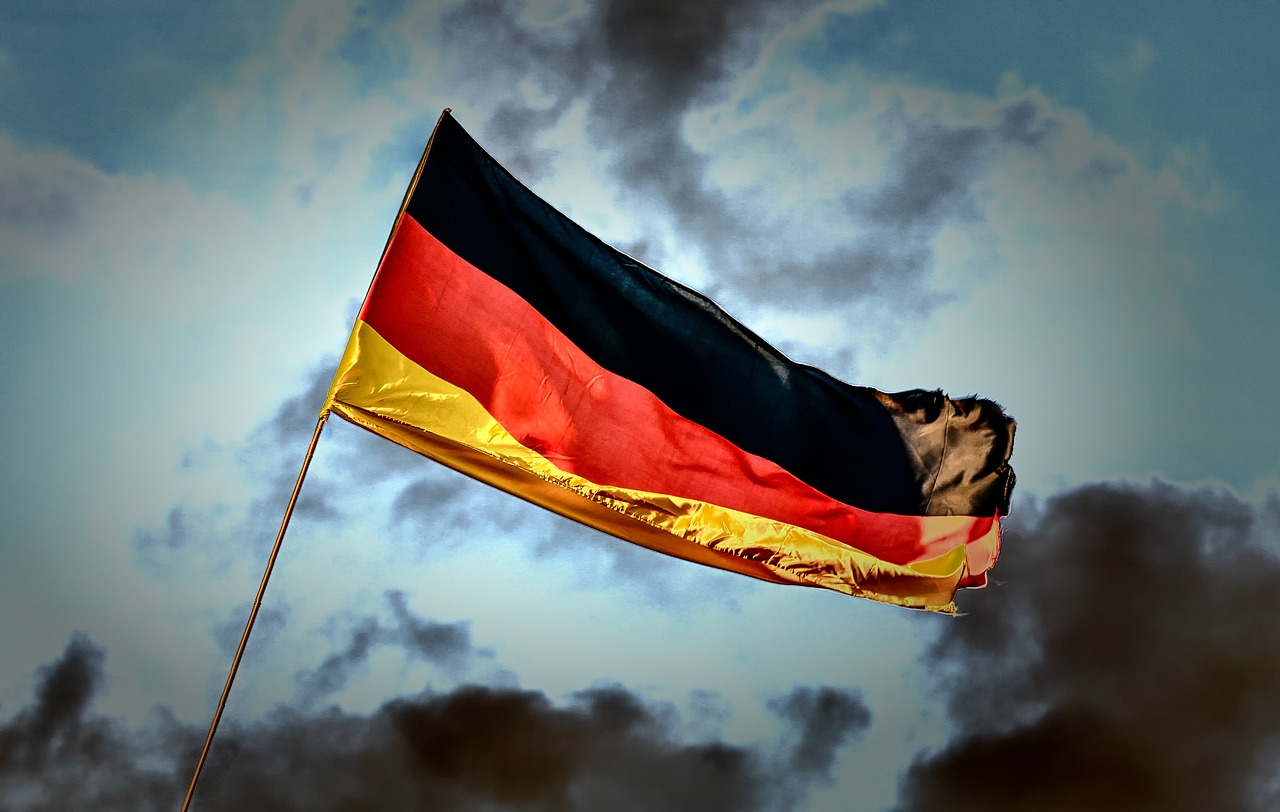
WW2 battle banners, authentic remnants of history, hold immense value for collectors and enthusiasts. However, navigating the market to buy original flags can be challenging, with concerns about authenticity and quality. This article provides an authoritative guide to help you make informed decisions when purchasing WW2 battle banners. We'll share expert tips on evaluating provenance, understanding materials, and where to buy ww2 flags naturally, ensuring you secure genuine pieces that not only look the part but also tell a story from the past.
- Authenticating WW2 Banners: Expert Tips for Buying Original Flags
- Where to Buy WW2 Flags: Reputable Sources for Historical Collectibles
- Preserving History: Proper Care and Storage Advice for Your WW2 Banner
Authenticating WW2 Banners: Expert Tips for Buying Original Flags
When considering buying World War II (WW2) battle banners, authenticating their origin and age is paramount to ensure you're acquiring a genuine piece of history. This process involves meticulous examination and often requires expert knowledge to separate rare originals from mere replicas or later reproductions. A trusted buyers guide for vintage flags can significantly aid in this journey. Look for subtle nuances that mark the age, such as faded colors, frayed edges, or signs of wear consistent with their claimed history. For instance, a flag showing evidence of having been flown in combat will typically display more severe weathering and potential damage compared to an unused, stored banner.
One reliable method to buy WW2 flags is through established, reputable sources who specialize in authentic vintage items. These include historical societies, auction houses catering to military memorabilia, or specialized dealers known for their expertise in ancient flags. For instance, a 2018 study by the International Auctions Monitor revealed that authentic WWII memorabilia, including flags, consistently command premium prices at legitimate auctions due to high buyer demand and scarcity. When transacting with such sources as Ultimate Flags, buyers can rest assured they're engaging with professionals who uphold ethical standards in sourcing and selling vintage items.
Proper framing is another crucial step when displaying old WWII banners. It not only preserves the flag but also enhances its aesthetic appeal. Use archival-quality materials to ensure the preservation of colors and fabric integrity over time. Avoid using regular picture frames, as they can contribute to deterioration due to poor ventilation. Custom-made, conservation-grade frames designed for historical documents or textiles are ideal. As you buy original WW2 banners, consider framing options that complement the flag's history and condition while ensuring its long-term viability for display.
Where to Buy WW2 Flags: Reputable Sources for Historical Collectibles
When buying WW2 flags, sourcing from reputable suppliers is paramount to ensure authenticity and quality. The best sites to buy old flags offer a curated selection of historical memorabilia, including battle banners from World War II. Look for vendors that specialize in vintage items, such as Ultimate Flags, known for their expertise in authentic collectibles. These specialists often have access to rare pieces and can guide buyers through the process of restoring old WW2 memorabilia.
In your search, consider what to look for in a World War II flag. Authentic flags typically exhibit signs of age and wear, reflecting their historical context. Fading colors, faded inscriptions, and slight discoloration are natural indicators of their origin and history. Reputable sellers will provide detailed descriptions and, if possible, provenance to ensure buyers receive genuine articles. Additionally, checking for the correct dimensions and intricate details specific to each unit or battle can further validate the flag's authenticity.
Restoring old WW2 flags is a specialized task that requires careful handling and expert techniques. Many online platforms offer restoration services alongside their sales, ensuring buyers receive well-preserved items. For example, some specialists use conservation-grade materials and methods to meticulously restore flags, preserving their historical value. Before buying, inquire about restoration practices and the seller's commitment to maintaining the integrity of each piece. This approach ensures that your acquisition not only enhances your collection but also contributes to preserving a significant part of history.
Preserving History: Proper Care and Storage Advice for Your WW2 Banner
Preserving history through authentic World War II (WWII) battle banners is a significant responsibility. When you buy WW2 flags, ensuring their proper care and storage is crucial to maintain their integrity and value. The last thing you want is for these precious relics to deteriorate or become damaged, losing their historical significance. A good starting point is to understand that each flag, like a piece of art, requires specific care depending on its material and construction. For example, cotton flags may need more protection from moisture and direct sunlight, while linen flags might require more careful handling due to their delicate nature.
Identifying real WWII flags is paramount. Authentic flags often come with documentation detailing their history and provenance. Look for original stitching, age-appropriate fading, and consistent construction throughout. A WWII flag pricing guide can help you understand the market value, but remember, the scarcity and condition of a flag significantly influence its cost. For instance, a flag that has seen heavy combat and has survived decades may be more valuable, but it also requires more meticulous care.
Displaying World War II flags is an honor, but it must be done thoughtfully. Consider using acid-free materials and frames to ensure the flag's longevity. Avoid placing them in areas with extreme temperature or humidity fluctuations. Many quality flag sources, like Ultimate Flags, offer guidance on proper display and storage, emphasizing the importance of preserving these historical artifacts. For instance, when displaying a flag on a wall, use appropriate hangers to prevent stretching or damaging the fabric. Additionally, keeping flags away from direct sunlight can prevent the fading of colors and the deterioration of the fabric over time.
Buying original WW2 battle banners is a significant endeavor that requires knowledge, care, and reputable sources. By following the expert tips outlined on authenticating flags, selecting from trusted historical collectible dealers, and learning proper preservation methods, you can ensure your investment is genuine and contribute to preserving history. When buying WW2 flags, it's crucial to approach the process methodically—from thorough research to meticulous care—to acquire a piece of history that will be cherished for its authenticity and narrative value. This article has provided essential insights to guide your journey in purchasing these rare artifacts, allowing you to buy ww2 flags with confidence and respect for their historical significance.
When buying WW2 flags, prioritize authenticity and quality from reputable sources. Examine subtle age indicators and provenance. Proper framing and storage are vital for long-term preservation. Understand material-specific care requirements for optimal flag integrity.